
Craniosacral Therapy
60 minute session - $130
CranioSacral Therapy (CST) is a light-touch approach that releases tensions deep in the body to relieve pain and dysfunction, and improve whole-body health and performance.
Few structures have more influence over your health and well-being than your central nervous system. And few body systems have more impact on your central nervous system than the craniosacral system - the bones, membranes and fluids that protect your brain and spinal cord.
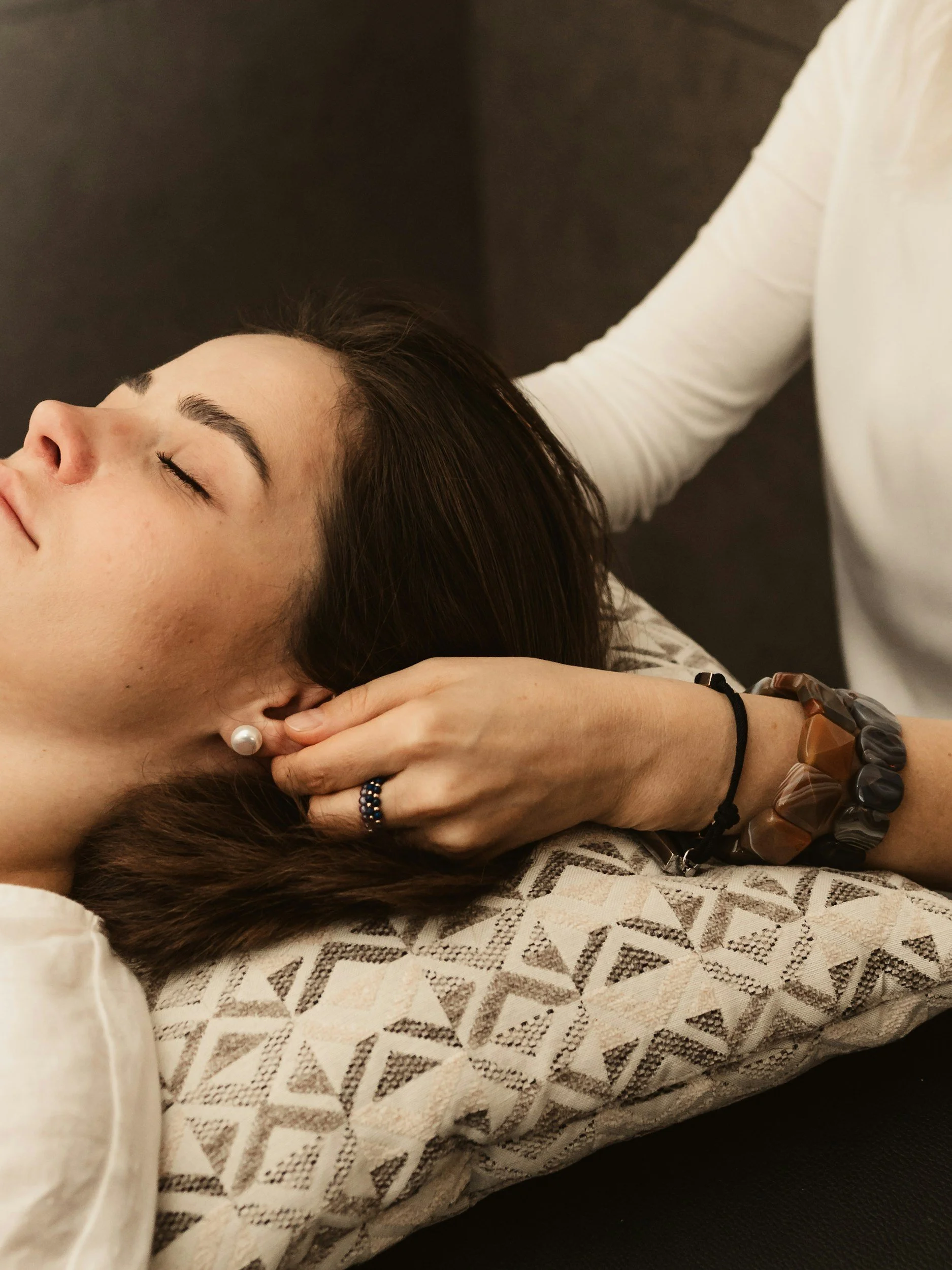
During a typical CST session, you will rest comfortably on a massage table while remaining fully clothed. Using a light, gentle touch - starting with the weight of about a nickel - I assess areas of tension and restriction throughout your body, paying particular attention to the head, spine, and sacrum. The session is deeply relaxing, and many clients experience a sense of calm, warmth, or gentle release as their nervous system begins to unwind.
CST is often sought by people as a support during cancer treatment, by those living with TMJ disorder, persistent stress, PTSD, and lingering symptoms following a concussion, as well as those looking for relief from headaches, migraines, neck pain, and chronic tension. While every person's experience is unique, many clients report feeling more relaxed, sleeping better, and noticing a reduction in pain and tension after treatment. Each session is tailored to your individual needs, creating a safe, supportive environment that encourages relaxation and supports your body's natural healing processes.
CST was pioneered and developed by osteopathic physician John E. Upledger. Dr. Upledger served from 1975-1983 as a clinical researcher and Professor of Biomechanics at the College of Osteopathic Medicine and Michigan State University.
Like many other complementary therapies, craniosacral therapy my promote a feeling of relaxation and help relieve the stress associated with cancer. Many cancer patients who’ve tried craniosacral therapy have noted a decrease in pain caused by the disease or treatments for the disease. Patients have also seen a reduction in headaches.
-Mesothelioma Cancer Alliance